
· gameplay, science
The Great Dying joins the journey
Before Us now has eight eras. The new one is set 252 million years ago, in the worst extinction in Earth's history, and follows a small animal that came through it.
Until this week, the journey jumped from a lobe-finned fish at the water’s edge, 375 million years ago, straight to a small mammal beneath the dinosaurs. That’s a gap of more than 300 million years. A new era now sits in the middle of it: The Great Dying, about 252 million years ago.
You play a small cynodont, a burrowing animal about the size of a small cat. Cynodonts were on our side of the family tree, long before there were mammals. The one in the game is a stand-in for animals like Thrinaxodon.
Three chapters
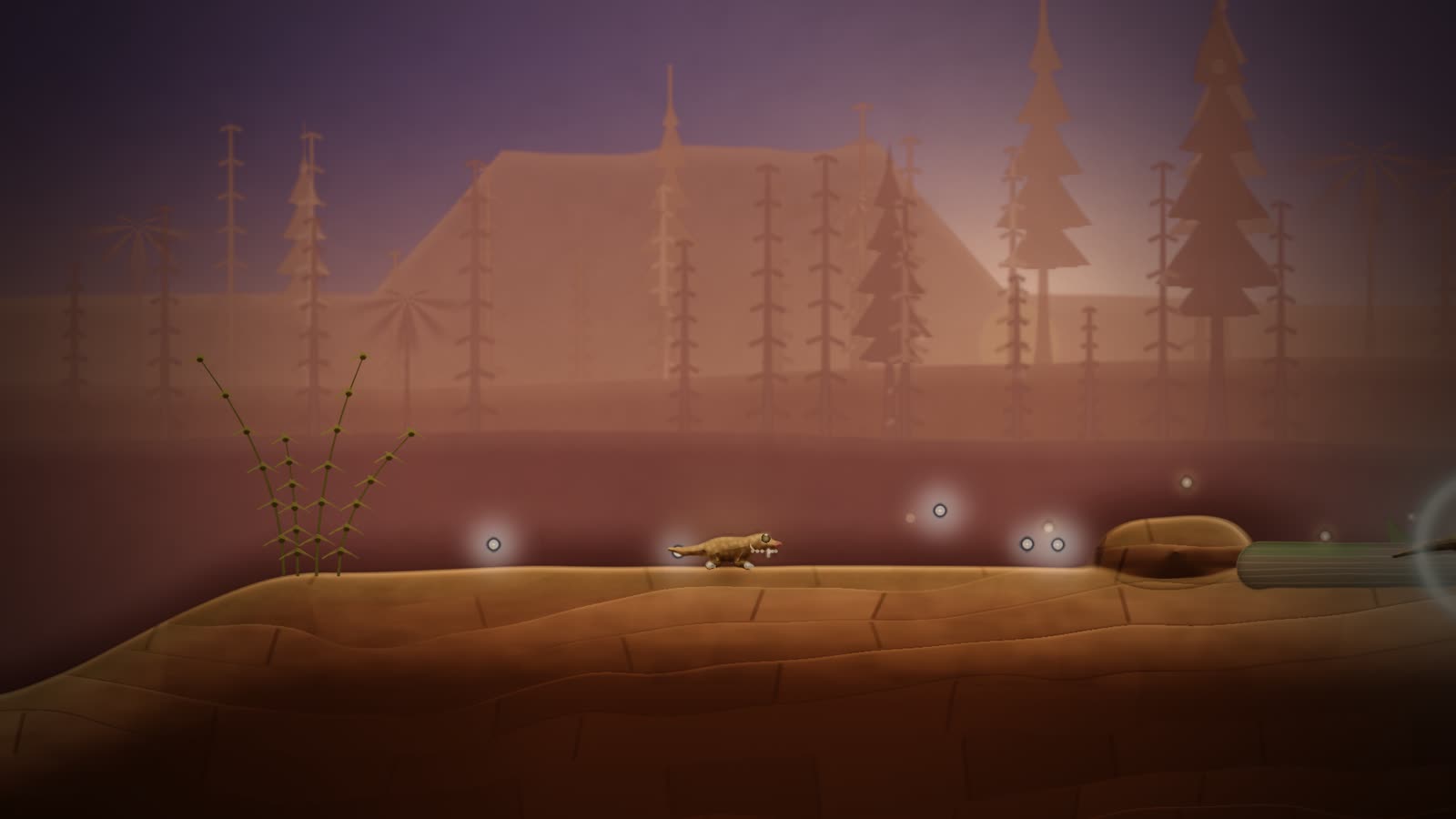
Chapter 1
The Dry World
A drying floodplain on Pangaea, the single continent of the time. You run, dash, dig, sniff out food, and keep still when something big is looking. The big things are gorgonopsians: sabre-toothed hunters that were, in fact, distant relatives of yours.
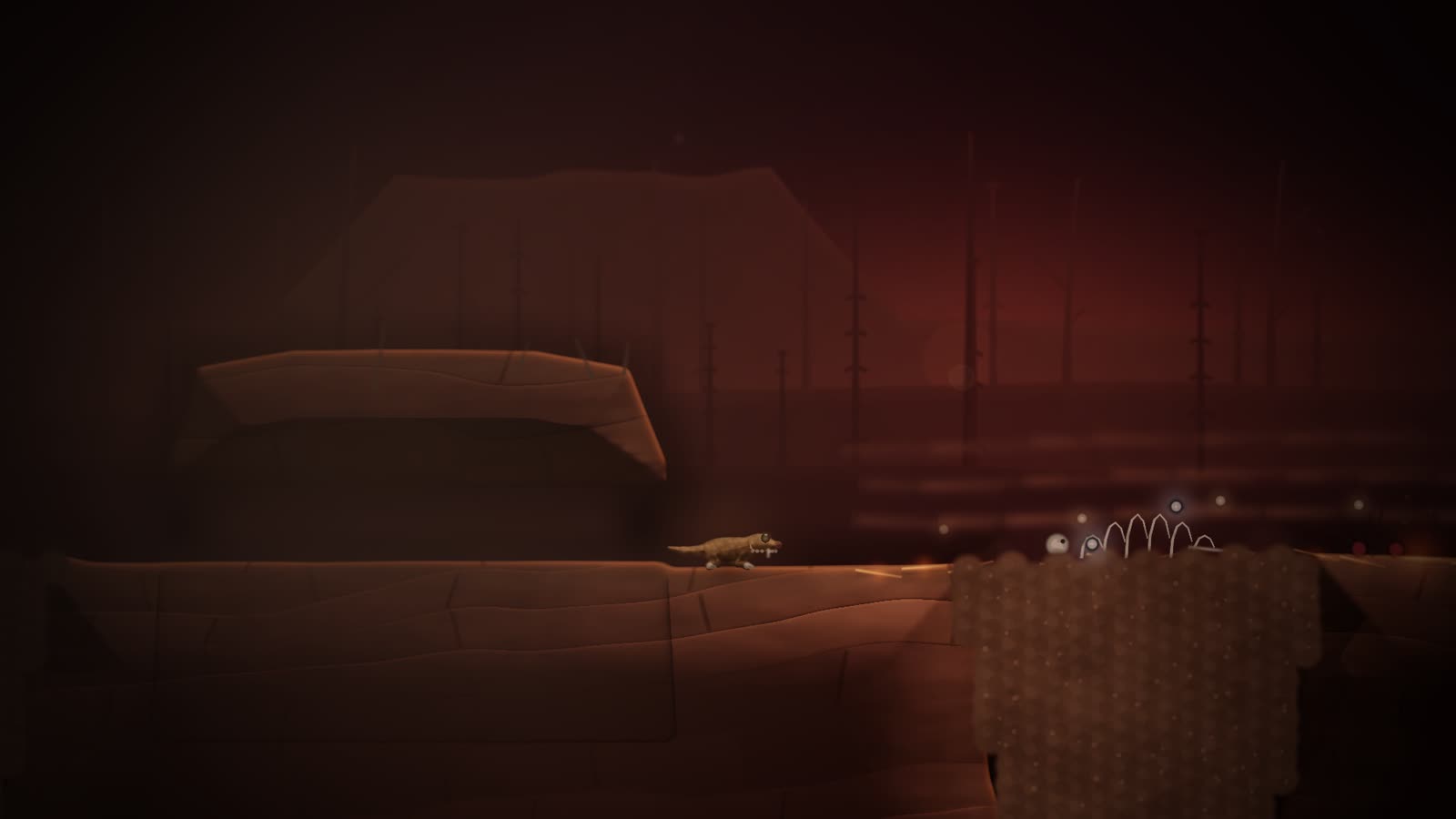
Chapter 2
The Burning
Far to the north, the Siberian Traps are erupting. The sky turns red, ash falls, and the rain turns harsh. You dig in and let it pass over.
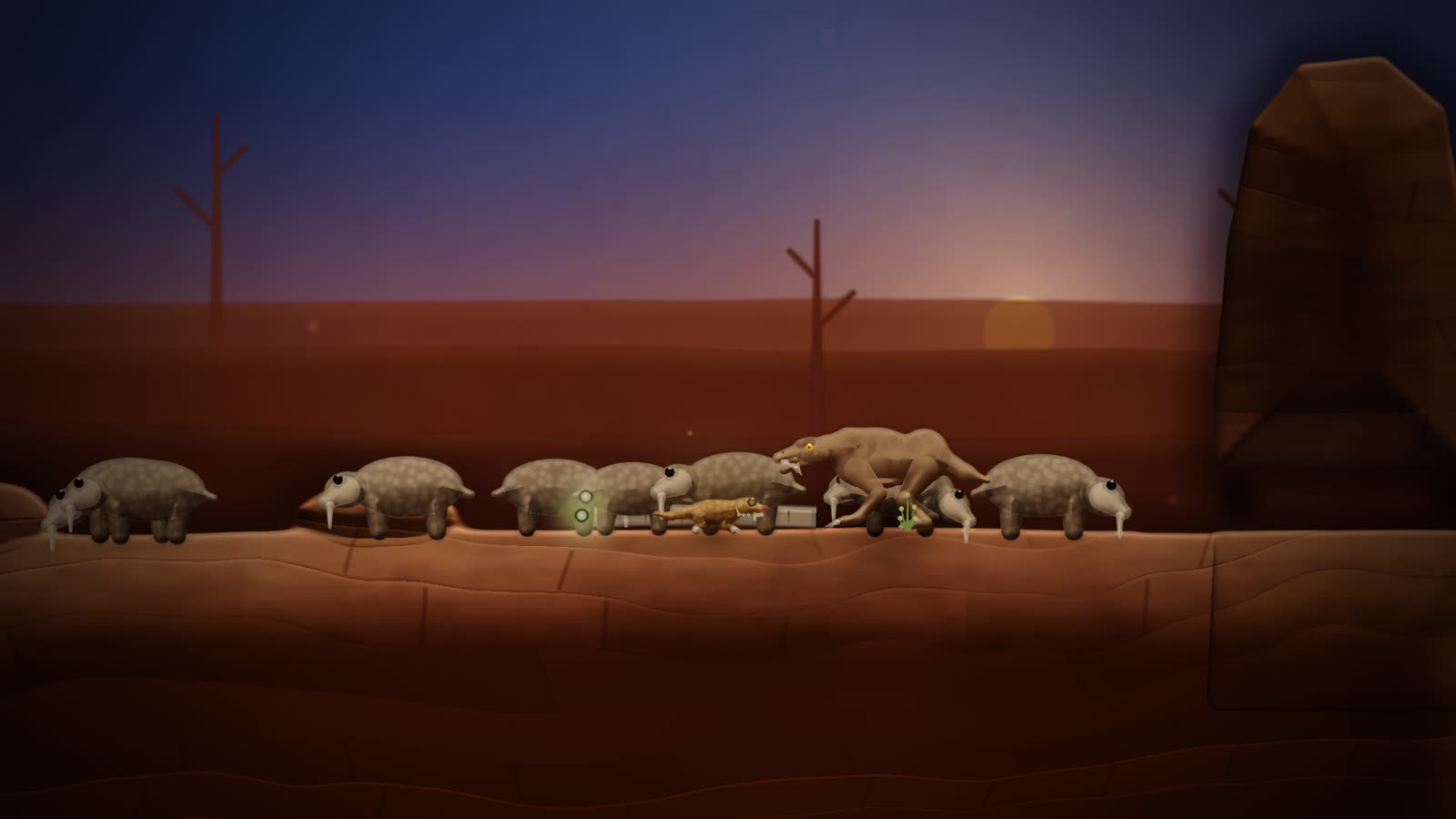
Chapter 3
The Survivors
After the worst of it, the world is emptier and hotter. Herds of Lystrosaurus, a stocky plant-eater, are almost everywhere, and new hunters from your own branch are waiting.
What’s real, and what isn’t
The hidden memories in each chapter keep the evidence and the game apart, and this era leans on them more than most.
The hunters are ours. Their attacks and the chases are invented for play, built from real skeletons.
The eruptions were slow. They were far away and came in pulses over a very long time. The game squeezes them into minutes.
Digging is quick. It takes seconds in the game. Real burrows took far longer.
Your animal is a stand-in. Thrinaxodon itself lived just after the Great Dying.
The most important point is one the game makes in the era’s last chapter: the animals that lived weren’t better than the ones that died. Size, habits and luck all played a part. Our line came through small, and lucky.
The real history is in the field guide: The end-Permian extinction.